Take a Look Inside
Open a focused preview of the supplied pages, sheets or working views.
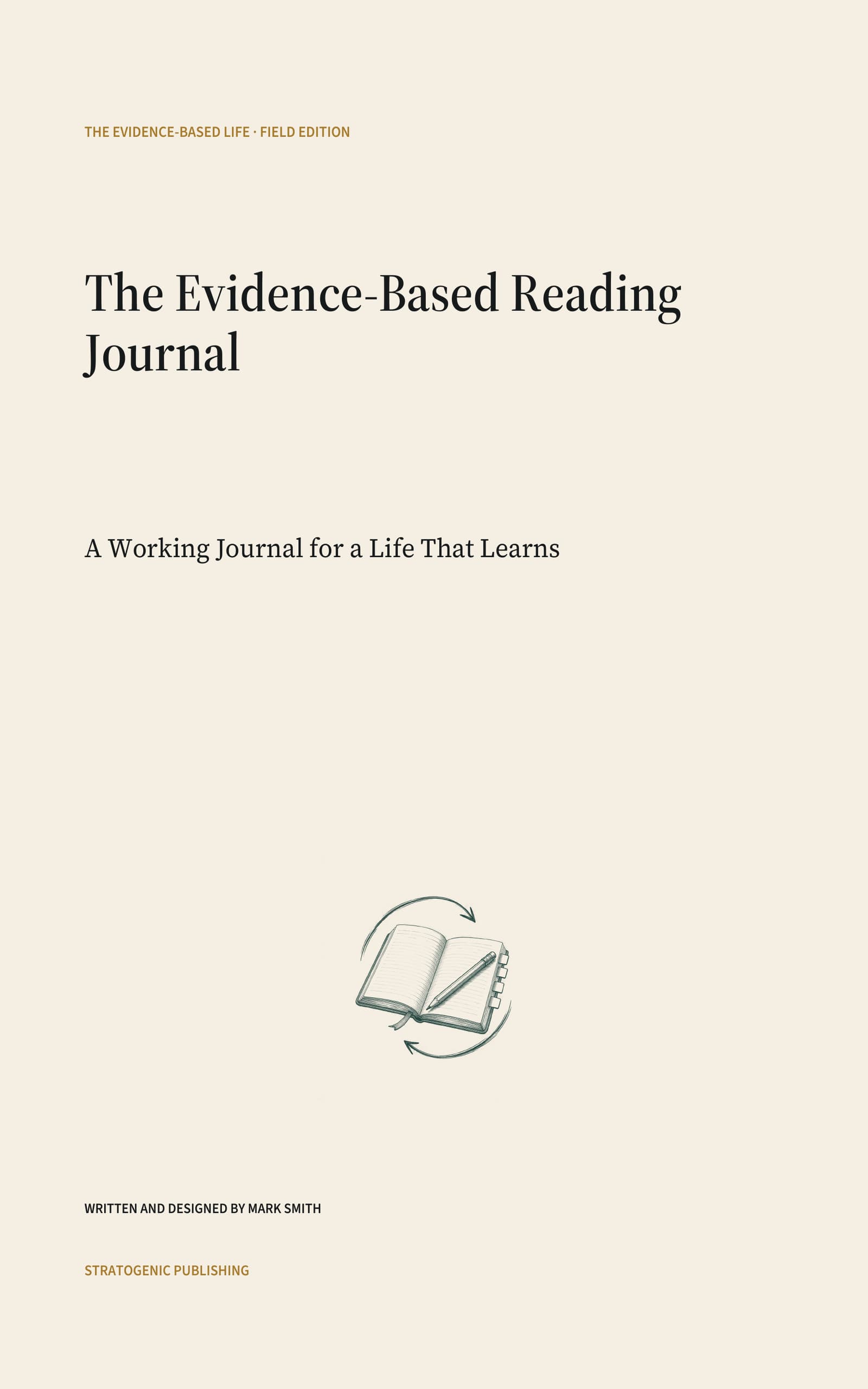
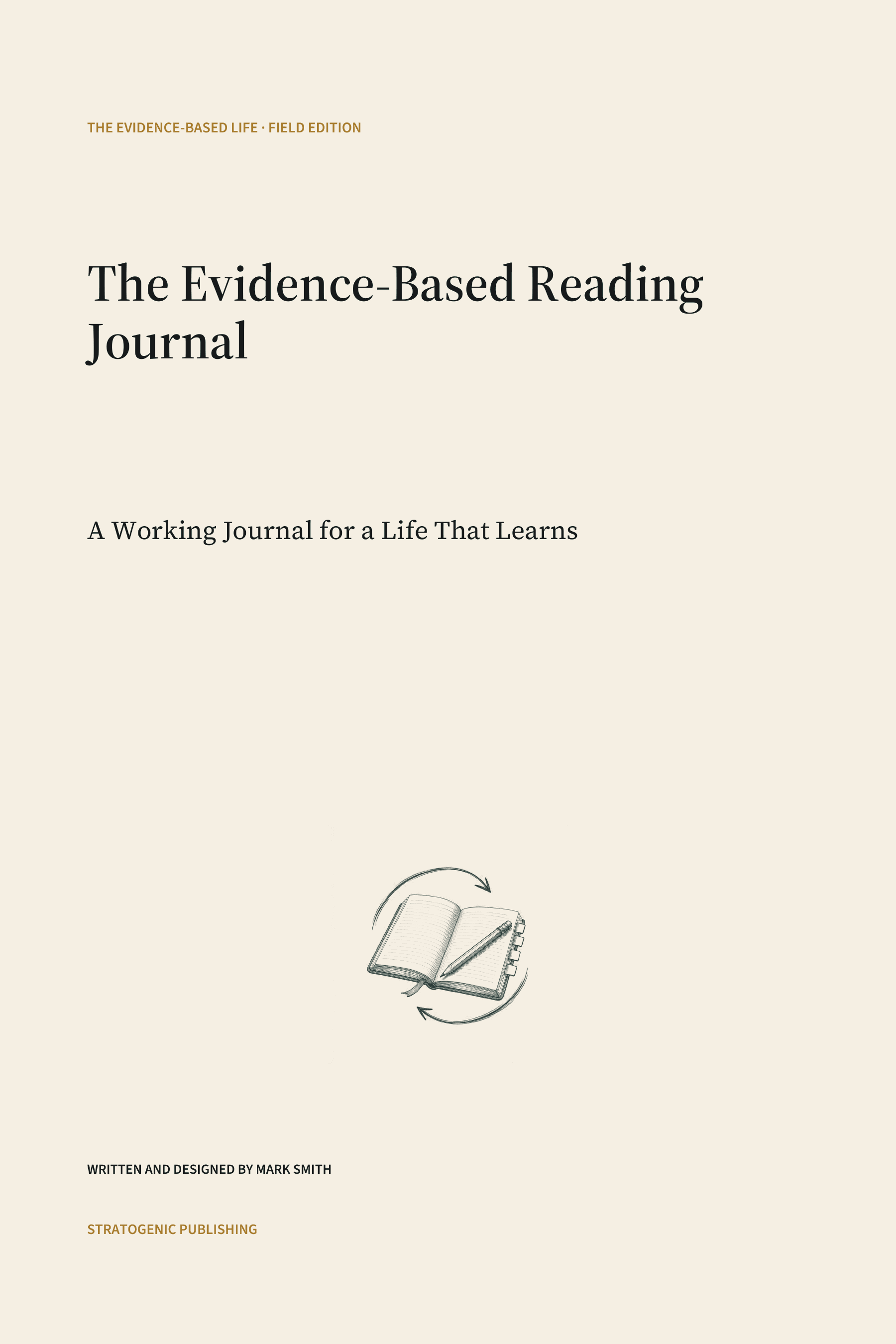
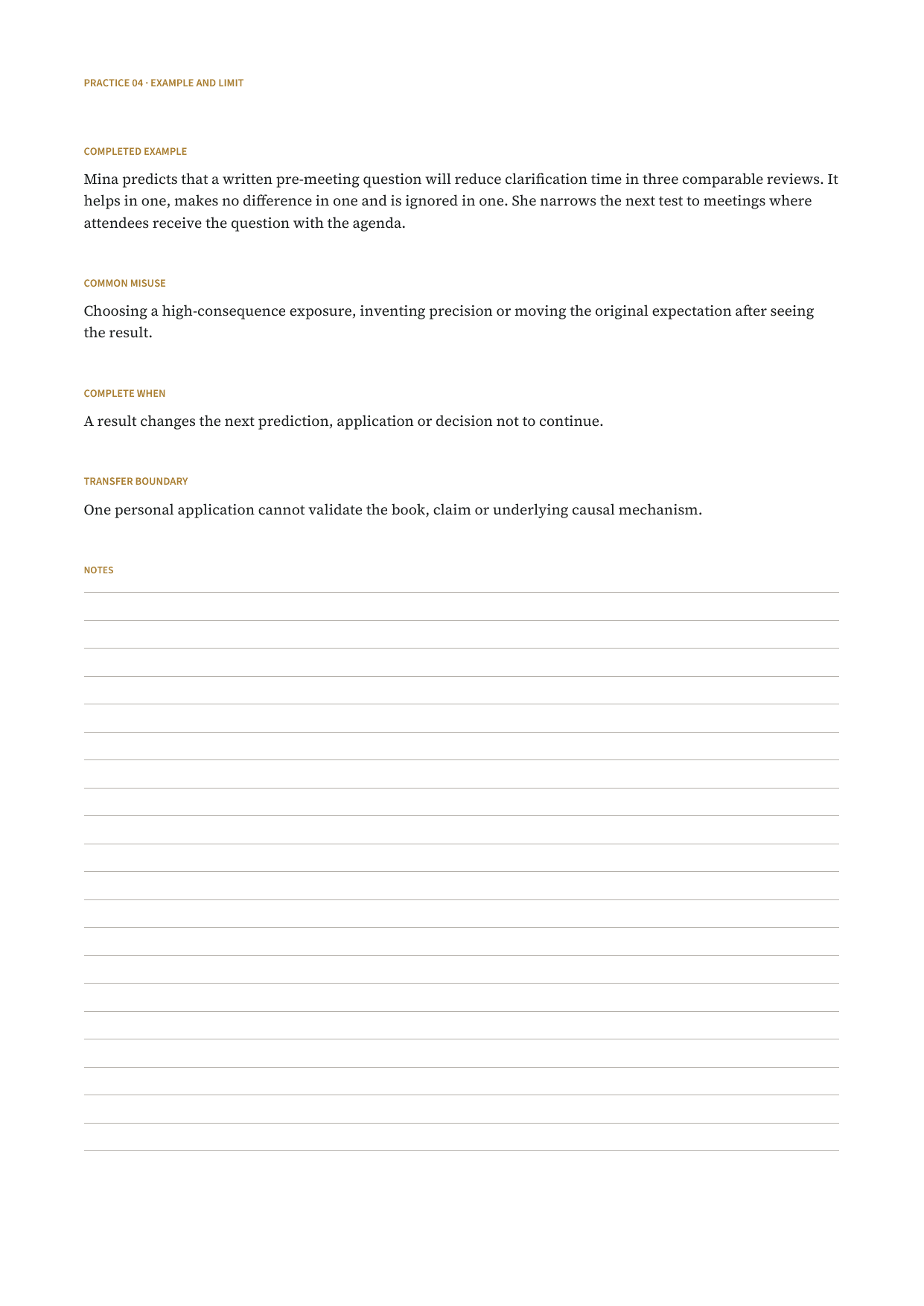
112-page paperback, 4 inherited working practices, KDP cover, fillable and printable digital editions, evidence and exercise-lineage registers, and marketplace population package.
What It Is For
A durable record of what a text claims, what supports it, where it stops and what it changes.
Intended for: Thoughtful readers, book-club members, researchers and professionals who want to retain, test and use what they read.
What Exists Behind This Page
This preview is tied to the built edition and its recorded release state. It is not a promise that the product is already available or that using it guarantees the outcome.
- 21 complete reusable reading record entries
- 4 complete exercise adaptations with canonical IDs, retained mechanisms, examples, misuses, completion conditions and transfer boundaries
- Inherited practices: The Claim Evidence Autopsy; Two Versions of the Argument; The Conditional Advice Rewrite; Prediction Before Application
- 6-source evidence register with design uses and transfer limits
- fillable and flattened A4 digital editions
- rendered cover, method, inherited-practice, record and digital previews
- 3 prepared editions
- 3 inspectable customer-page previews
- 6 named sources with stated use and transfer limits
Three Decisions It Helps You Make
- 01
Is the immediate need understanding, reflection or a concrete next action?
- 02
What observable evidence would justify confidence in this specific situation?
- 03
What deserves attention now, and what can be deliberately left alone?
Price and Package
What this edition does not promise
- A working aid, not a guarantee of a commercial, career or personal outcome.
- It does not replace legal, regulatory, clinical, financial or employer-specific advice.
- Human release review and fulfilment testing remain required.
Source Corpus Acknowledged
This journal contains 4 named working practices adapted from The Evidence-Based Life contract v1.2.0. Each records its retained mechanism and domain boundary. Named research, official guidance, standards and relevant primary provider material informed selected prompts and boundaries. Provider material is operational guidance, not independent validation; no named source endorses this Stratogenic product.
6 named sources and transfer limits
- Dewey, J. (1910). How We Think. — Supports inquiry as observation, testing and revision rather than certainty theatre. Limit: A philosophical and educational account; it does not validate this journal or guarantee better decisions. Review: Release review required.
- Rousseau, D. M. (2006). Is There Such a Thing as Evidence-Based Management? — Keeps evidence plural: research, local facts, expertise, affected people and context. Limit: A programme-setting article cannot determine the right evidence mix for a particular decision. Review: Release review required.
- Harkin, B. et al. (2016). Does Monitoring Goal Progress Promote Goal Attainment? — Supports visible review records when the measure is connected to a decision. Limit: Monitoring can distort work when the chosen signal is a poor proxy; effects vary by context. Review: Release review required.
- Association of College & Research Libraries. Framework for Information Literacy for Higher Education. — Supports authority as contextual and research as inquiry. Limit: A professional framework is not an empirical validation of this journal. Review: Release review required.
- Agarwal, P. K. et al. (2021). Retrieval Practice Consistently Benefits Student Learning. — Supports a recall-before-rereading prompt. Limit: Most evidence concerns learning settings; effects do not make recalled material accurate. Review: Release review required.
- Roediger, H. L. and Butler, A. C. (2011). The critical role of retrieval practice in long-term retention. — Informs the retrieval page and delayed review. Limit: Retention is not critical evaluation, truth or appropriate transfer. Review: Release review required.
Corpus review: 2026-07-19. Provider documentation is operational guidance, not independent validation or endorsement.
Frequently Asked Questions
What is The Evidence-Based Reading Journal?
The Evidence-Based Reading Journal is field journal designed to help thoughtful readers, book-club members, researchers and professionals who want to retain, test and use what they read. a durable record of what a text claims, what supports it, where it stops and what it changes.
What do I receive with The Evidence-Based Reading Journal?
112-page paperback, 4 inherited working practices, KDP cover, fillable and printable digital editions, evidence and exercise-lineage registers, and marketplace population package.
Can I buy or download The Evidence-Based Reading Journal now?
No. This is a forthcoming preview. Checkout and delivery stay disabled until named human approval and fulfilment checks are recorded.